Why Mini Sessions Succeed With Early Planning
Mini sessions are often treated like a moment—a single post, a single announcement, and a lot of hope riding on it. And I get it. There’s something that feels right about building anticipation and then dropping the announcement. But in my experience, that approach is exactly what makes mini sessions feel harder than they need to be.
What I’ve found — season after season — is that mini sessions don’t succeed because of the launch. They succeed because of everything that happens before it.
The Real Reason Minis Don’t Book the Way You Want
Mini sessions are still a service
It’s easy to blame visibility or pricing when spots don’t fill. But most of the time, the issue is simpler: clients didn’t have enough time to decide.
Mini sessions are still a service. And people don’t make service decisions instantly — especially families. Family schedules, work calendars, school events, and budgets all play a role.
Even clients who genuinely want to book often need a few days or a week before they can commit. That’s not a problem to solve. It’s just how people make decisions, and your system needs to account for it.

Speed is often mistaken for interest
When sessions are announced late or framed as something that requires an immediate decision, a lot of those people miss the window — not because they weren’t interested, but because the timing didn’t work for their real life. I used to misread that as lack of demand. It wasn’t.
Why Early Communication Feels Better for Clients Too
Clients need time, not pressure
I want to be clear about something: this approach isn't a strategy to manufacture urgency or pressure people into booking. It's actually the opposite.
When clients have more time and more information, they make decisions without stress. They can plan outfits, check their schedule without panicking, and show up to the session relaxed because nothing felt rushed.
Families are busy — the ones who want to work with me genuinely appreciate knowing what's coming before it lands in their inbox as a "spots are almost gone" announcement. Clear, gradual communication makes the whole experience feel more accessible, and that trust is what keeps people coming back season after season.
Structure Matters More Than Hype
Clear expectations reduce hesitation
I don't rely on manufactured urgency or pressure tactics. What I rely on is a clear, repeatable structure — one that keeps family mini sessions in Seattle visible and in-demand well before booking ever opens. It means that when someone starts looking, I'm already there.
That visibility takes time to build. Blogging about minis in July means search engines have months to catch up before fall season opens. Part of that is writing about the actual locations I use — if you’re curious about where I shoot, I rounded up my favorite spots here: Best Outdoor Photo Locations in Seattle.
How I Set Clients Up Before Session Day
The experience doesn’t start when someone arrives at the location. It starts the moment they book.
Once a client secures their spot, I walk them through everything they need to feel prepared — what to expect, how the session flows, and what to think about ahead of time. I have a whole post on this if you’re looking to share it with clients who are new to minis: 8 Crucial Tips for Your Mini Session.
When clients show up knowing what to expect, the session runs better for everyone. Less back-and-forth, more confidence, and photos that actually reflect the family in front of me — not a family who just sprinted from the parking lot stressed about whether they wore the right thing.
Seasonality Is Normal — But Your Process Doesn’t Have to Change
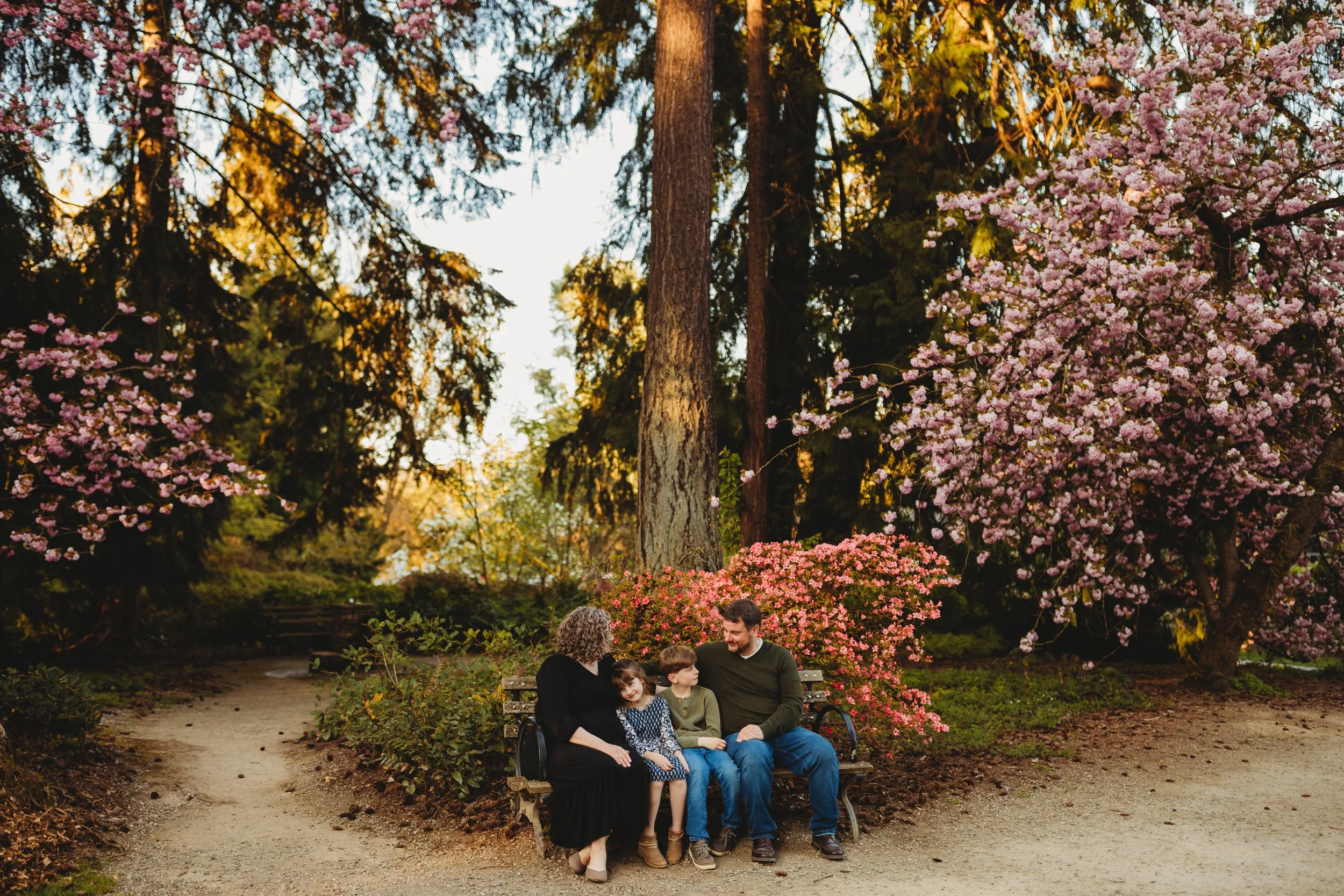
Not every season behaves the same way
Not every season looks the same. Fall tends to fill faster than spring. Weather, school schedules, and location all play a role, and some years are just different from others. That’s normal.
Consistency matters more than outcomes
What I’ve found is that when I focus on the process rather than the outcome, the seasons that don’t fully book feel a lot less personal. A steady, repeatable approach does more for your business long-term than chasing the perfect launch every time. The minis that sell out aren’t doing so because of a great graphic or perfect timing.
They’re doing so because the people who want to book already trust the experience — and they’ve had enough time to actually plan around it.

Are you a photographer?
I put together a guide that walks through exactly how I structure my mini sessions — the timing, the release strategy, the client communication, and the SEO approach I use to stay visible year-round. If you want to go deeper, you can find it here.